
Are you looking to grow your small business but feel overwhelmed by all the marketing options out there? You’re not alone.
Finding the right tools can make a huge difference in how you connect with customers and boost sales. Imagine saving time, reaching more people, and getting better results without extra stress. You’ll discover the best marketing tools designed specifically for small businesses like yours.
Keep reading to find simple, effective solutions that can transform your marketing game and help your business thrive.
Top Tools For Social Media
Social media helps small businesses connect with customers and grow their brand. Using the right tools saves time and improves results. These tools help you plan, track, and create better content for social media. Here are some top tools to consider.
Scheduling And Automation
Scheduling tools let you plan posts ahead of time. This keeps your social media active without daily work. Automation helps post at the best times for your audience. Tools like Buffer and Hootsuite simplify this process. They support multiple platforms in one place. This saves hours and keeps your posts consistent.
Analytics And Insights
Understanding your social media performance is key. Analytics tools show which posts work best. They track likes, shares, and comments easily. Google Analytics and Sprout Social provide clear reports. This data helps improve your strategy. Focus on content your audience enjoys most.
Content Creation
Good content attracts followers and builds trust. Content creation tools help design images and videos. Canva and Adobe Spark offer easy templates. No design skills are needed. These tools help create eye-catching posts fast. Quality content makes your brand look professional and strong.

Credit: www.loomly.com
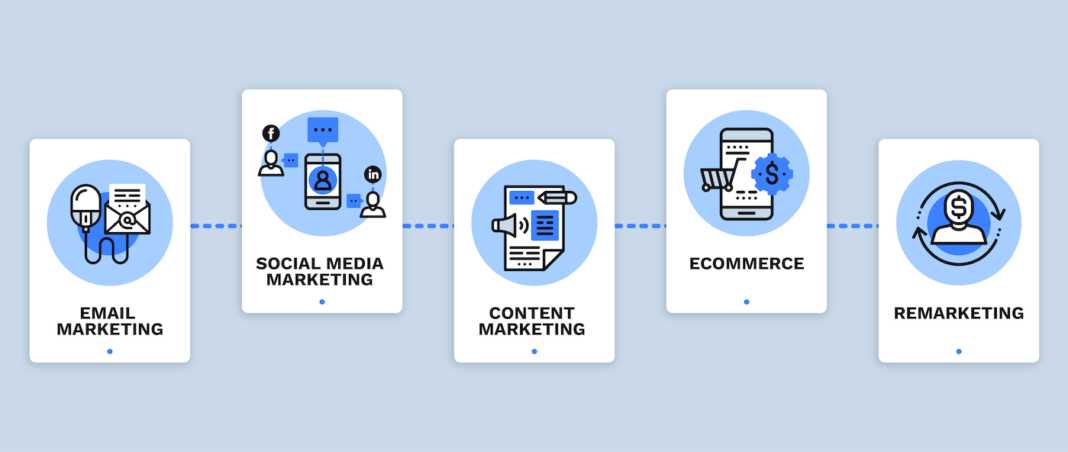
Email Marketing Solutions
Email marketing solutions help small businesses connect directly with their customers. These tools simplify sending messages and growing your contact list. They also improve how you reach the right audience with the right message.
List Building Tools
List building tools help gather email addresses from visitors. They offer forms, pop-ups, and landing pages to capture contacts. These tools keep your list organized and clean. A good list means better chances to send emails that matter.
Campaign Management
Campaign management tools let you create and send email campaigns easily. They provide templates and drag-and-drop editors for quick design. Scheduling and automation options save time. Tracking features show how many open and click your emails.
Personalization Features
Personalization features make emails feel special for each reader. You can add names, locations, or purchase history to messages. These details increase engagement and response rates. Personal touches build trust and encourage action from customers.
Seo And Content Tools
SEO and content tools help small businesses grow online. They improve website visibility. They attract more visitors. These tools guide content creation and optimization. This leads to better search engine rankings. A smart choice of tools saves time and effort.
Keyword Research
Keyword research finds the words people type in search engines. These words help businesses understand customer needs. Using the right keywords increases website visits. Tools like Google Keyword Planner show popular search terms. They also reveal keyword difficulty and search volume. Choosing simple, relevant keywords helps small businesses compete well.
On-page Optimization
On-page optimization means improving individual web pages. It makes pages easy to read for both users and search engines. Tools like Yoast SEO check titles, meta descriptions, and headings. They suggest ways to improve page content. Optimized pages load faster and keep visitors longer. Small changes can raise rankings and bring more traffic.
Content Planning
Content planning organizes ideas for blog posts and articles. It ensures consistent and useful content for the audience. Tools like Trello and Airtable help schedule and track content. Planning helps avoid last-minute rushes and missed posts. Good content attracts visitors and builds trust with customers. Regular updates keep websites fresh and relevant.
Credit: www.smallbusinesscomputing.com
Customer Relationship Management
Customer Relationship Management (CRM) helps small businesses manage their contacts and sales effectively. It organizes customer data in one place. This system improves communication and builds stronger relationships with clients.
CRMs save time by automating daily tasks. They help track every interaction with potential and current customers. This way, businesses can provide better service and increase sales.
Lead Tracking
Lead tracking follows potential customers from their first contact. It records details like name, email, and interests. Small businesses can see which leads are ready to buy.
This tool prevents leads from getting lost. It sends reminders to follow up. Tracking helps focus on the best leads to boost sales.
Sales Automation
Sales automation speeds up repetitive tasks. It sends emails, schedules meetings, and updates records automatically. This reduces manual work for the sales team.
Automation keeps the sales process smooth. It helps close deals faster. The team stays organized and focused on important tasks.
Customer Support Integration
Customer support integration connects support with sales data. It gives a full view of customer history. Support teams can solve problems quickly.
This integration improves customer satisfaction. It allows faster responses and personalized help. Happy customers often become repeat buyers.
Advertising Platforms
Advertising platforms help small businesses reach the right customers fast. These tools offer ways to show ads online, targeting people based on interests, location, and behavior. Using the right platform saves time and money while increasing sales. Let’s explore three key types of advertising platforms that work well for small businesses.
Pay-per-click Campaigns
Pay-per-click (PPC) campaigns let businesses pay only when someone clicks their ad. This method controls costs and targets specific keywords. Google Ads is a popular PPC platform. It shows ads in search results and on partner sites. Small businesses can choose budgets and adjust bids easily. PPC drives traffic quickly and helps test different messages.
Social Media Ads
Social media ads appear on platforms like Facebook, Instagram, and LinkedIn. These ads reach users based on their age, interests, and habits. Small businesses can create photo, video, or carousel ads to attract attention. Social media ads build brand awareness and encourage engagement. They also offer detailed analytics to measure success.
Retargeting Strategies
Retargeting shows ads to people who visited your website but did not buy. It reminds them about products or services they viewed. This strategy increases the chance of a sale by keeping your business top of mind. Retargeting ads work on many platforms like Google and Facebook. They often use cookies to track visitors and show relevant ads.
Analytics And Reporting
Analytics and reporting tools help small businesses understand their marketing efforts. These tools collect data and turn it into easy reports. They show what works and what needs change. Using them saves time and improves decisions. Here are key areas to focus on.
Website Traffic Analysis
Website traffic analysis shows how many people visit your site. It tracks where visitors come from and what pages they see. This data helps spot popular content and visitor trends. It also reveals if visitors leave too fast. Improving these areas can boost website success.
Campaign Performance
Campaign performance tools measure how well marketing campaigns do. They track clicks, views, and shares. This data shows which ads or emails attract attention. Marketers can then adjust campaigns to get better results. Tracking performance saves money by focusing on what works best.
Roi Measurement
ROI measurement calculates the profit from marketing activities. It compares money spent to money earned. This helps small businesses see if campaigns are worth the cost. Knowing ROI guides smarter spending on future marketing efforts. It makes every dollar count.
Budget-friendly Marketing Apps
Small businesses often face tight budgets for marketing. Choosing apps that do not cost much helps save money. Budget-friendly marketing apps offer many tools without high prices. These apps help businesses promote products and reach customers effectively.
Free And Low-cost Options
Many marketing apps offer free plans with basic features. These are perfect for small businesses starting out. Free options include email marketing, social media scheduling, and graphic design tools. Low-cost plans add more features but keep costs low. These plans fit small budgets and still provide powerful tools.
Trial Versions
Trial versions let businesses test apps before paying. Most marketing apps offer trials for 7 to 30 days. Trials give access to full features to check if the app fits needs. Using trials helps avoid spending on apps that don’t work well. It also shows how easy the app is to use.
Scaling With Growth
Budget-friendly apps grow with your business needs. Start with free or low-cost plans, then upgrade as needed. Many apps offer flexible pricing for more features. This helps keep costs low at first. Upgrading later means you pay only for what you need. This approach saves money and supports business growth.
Credit: solutionsreview.com
Frequently Asked Questions
What Are The Best Marketing Tools For Small Businesses?
The best marketing tools for small businesses include email marketing platforms, social media schedulers, and SEO tools. These help improve outreach, automate tasks, and optimize online presence effectively. Choose tools that fit your budget and business goals for maximum impact.
How Can Marketing Tools Improve Small Business Growth?
Marketing tools streamline campaigns, track customer behavior, and enhance engagement. They save time by automating repetitive tasks and provide insights to refine strategies. This leads to higher conversion rates and better ROI for small businesses.
Which Social Media Tools Suit Small Business Marketing?
Tools like Hootsuite, Buffer, and Later help schedule posts, analyze performance, and manage multiple accounts. They simplify social media marketing, boost consistency, and increase audience reach for small businesses.
Are Email Marketing Tools Effective For Small Businesses?
Yes, email marketing tools like Mailchimp and Constant Contact are cost-effective. They help build customer relationships, promote products, and track campaign success with easy-to-use features.
Conclusion
Choosing the right marketing tools can boost your small business success. These tools help save time and reach more customers. Start with easy options that fit your budget. Test different tools to find what works best. Keep learning and adapting your marketing strategies.
Small steps lead to big results. Stay consistent and focused on your goals. Your business can grow steadily with the right support. Simple tools, steady effort, and smart choices make a difference. Take action today and watch your business improve.